
Why public USB charging stations aren't always safe (and how to protect your data)
July 14, 2026
Why public USB charging stations aren't always safe (and how to protect your data)
A quick charge... what could go wrong?
You probably know it.
You're sitting at an airport, waiting for the train or still have twenty percent battery life while you're still on the road for a few hours. Fortunately, there is a free USB charging point. You plug in your phone and don't think about anything anymore.
Yet security experts have been warning for years that this seemingly handy solution can entail risks.
Fortunately, the chance that you will become a victim is not very high, but the problem is that you often cannot see whether a USB port is reliable. And once you connect your phone, you actually no longer know which device you're connecting to.
More and more companies are therefore paying attention to safe charging, especially now that employees are on the road a lot and smartphones contain important company information.
Why a USB port is more than just power
Many people think that a USB cable is solely for charging a device.
That is only partially correct.
A USB connection is developed for two functions:
- supply power;
- exchange data.
That's exactly why you can transfer photos to your computer at home as soon as you connect your phone. The disadvantage is that the same technique can also be used to enable unwanted communication between devices. Normally you don't notice this. Your phone sometimes even automatically asks whether you only want to charge or also want to share files. However, with an unknown USB port, you can never be sure which device is on the other side.
What is 'juice jacking'?
Maybe you have the term juice jacking ever heard.
This refers to a situation in which a public USB charging point has been modified or replaced so that in addition to power, data can also be accessed or malicious software is offered.
Although known cases are limited and security measures of modern smartphones reduce many risks, security organizations take the topic seriously. Not because it happens every day, but because the consequences can be dire if things do go wrong.
For example:
- business emails;
- contact details;
- saved passwords;
- access to company apps;
- confidential documents.
For organizations where employees travel regularly, this is a risk that can easily be prevented.
Airports and stations are not the problem
Important to emphasize:
It is not about airports, hotels or train stations themselves. Most public charging points are professionally managed and function well.
The problem is that as a user you can never check:
- who installed the USB port;
- whether it has ever been adjusted;
- what technology is behind it;
- whether a gate still functions completely safely.
Cyber security is therefore not only about trust, but also about limiting unnecessary risks.
Modern smartphones are more secure
Fortunately, we are in better shape today than a few years ago. Both Android and iPhone have security measures that prevent data from being easily accessible. Often a user must first give permission before files can be exchanged. That makes abuse considerably more difficult.
However, many security experts still recommend avoiding unknown USB data ports as much as possible. Simply because you never know whether all conditions are safe.
Compare it to wearing a seat belt. Most car journeys go smoothly. Yet you put on your seat belt every time.
How do you charge safely while on the road?
Fortunately, there are simple ways to almost completely eliminate risks.
1. Use your own power bank
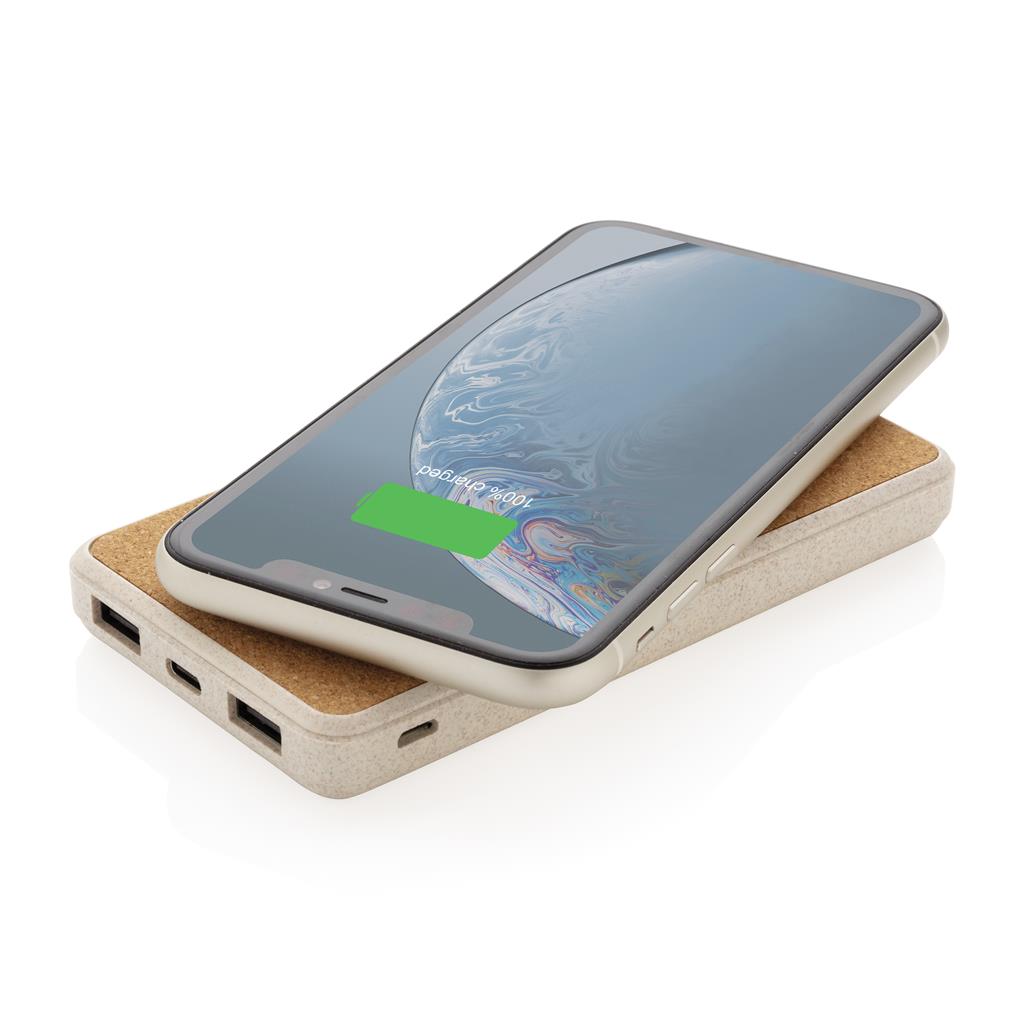
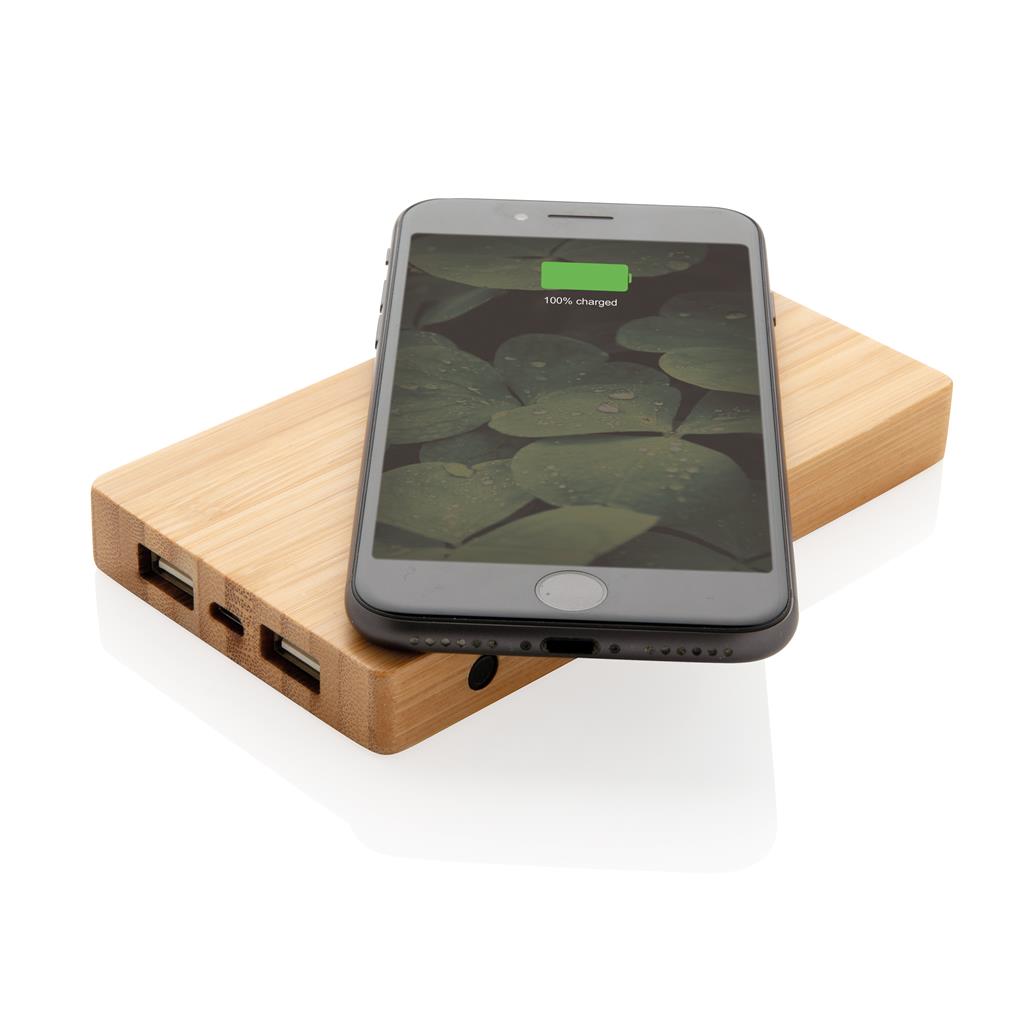
The safest solution is often also the simplest. Your own power bank only supplies power and prevents you from being dependent on unknown USB ports. Moreover, you can charge anywhere, even when there is no socket available at all.
2. Use a wall socket instead of a USB port
Do you have your own charger with you?
It is better to use a normal socket than a built-in USB connection. Your own adapter only provides the power supply.
3. Use a data blocker
There are special USB adapters that physically block the data lines. They also become USB data blockers or USB condoms mentioned. This means that only current can be passed on.
4. Keep your phone up to date
New security updates fix vulnerabilities.
Therefore, always install updates as quickly as possible.
5. Pay attention to unexpected notifications
Does your phone suddenly ask permission to share files?
Or does an unknown screen appear?
Then immediately disconnect the connection.
Why this is also important for companies
- More and more employees are working hybrid.
- They travel to customers.
- Working on the road.
- Visit trade fairs.
- Or regularly fly abroad.
- Their smartphones often contain much more company information than people realize.
- Agendas.
- CRM systems.
- Teams or Slack accounts.
- Two-factor authentication.
- Business documents.
That is precisely why more and more organizations are investing in practical tools that allow employees to work safely on the road.
Not because they are afraid, but because prevention is ultimately cheaper than a security incident.
A practical promotional gift that is used daily
A promotional gift is most valuable when someone uses it regularly. A high-quality power bank meets that principle exactly. Whether someone is on their way to a customer, visiting a trade fair or going on holiday: a reliable power supply is always useful. This not only gives you a practical gift, but also shows that you think about working safely and comfortably on the road.
At Tiger Concept we therefore regularly advise organizations on power banks and other travel accessories that tie in with themes such as safety, mobility and sustainable use. Not as a gadget for one day, but as a product that will last for years.
Conclusion
Public USB charging stations are convenient and in many cases safe to use. However, it remains wise to consciously deal with unknown USB connections. You can significantly reduce any risks with your own charger, a power bank or a data blocker. Safe charging doesn't have to be complicated. It mainly starts with making a conscious choice.
Images