
Why bamboo is often a sustainable alternative to plastic
August 28, 2026
Why bamboo is often a sustainable alternative to plastic
From disposable to conscious material choices
A few years ago, hardly anyone looked at the material of a promotional gift.
If the product looked nice and fit within the budget, that was often sufficient.
Nowadays organizations ask very different questions.
- What is it made of?
- How long does it last?
- Can it be reused?
- And does it fit within our sustainability objectives?
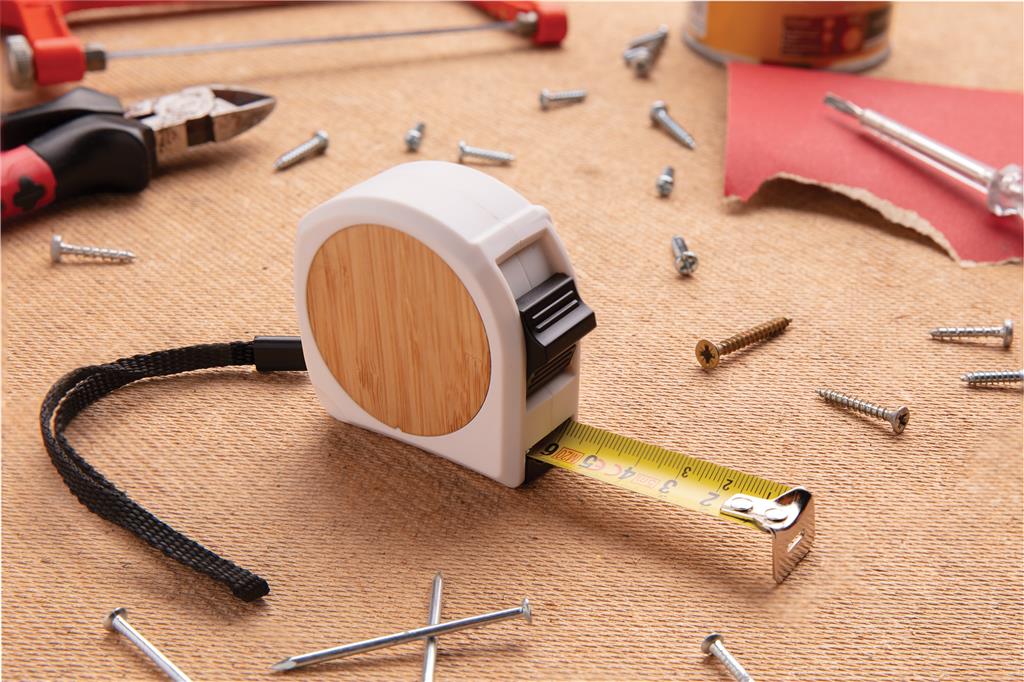
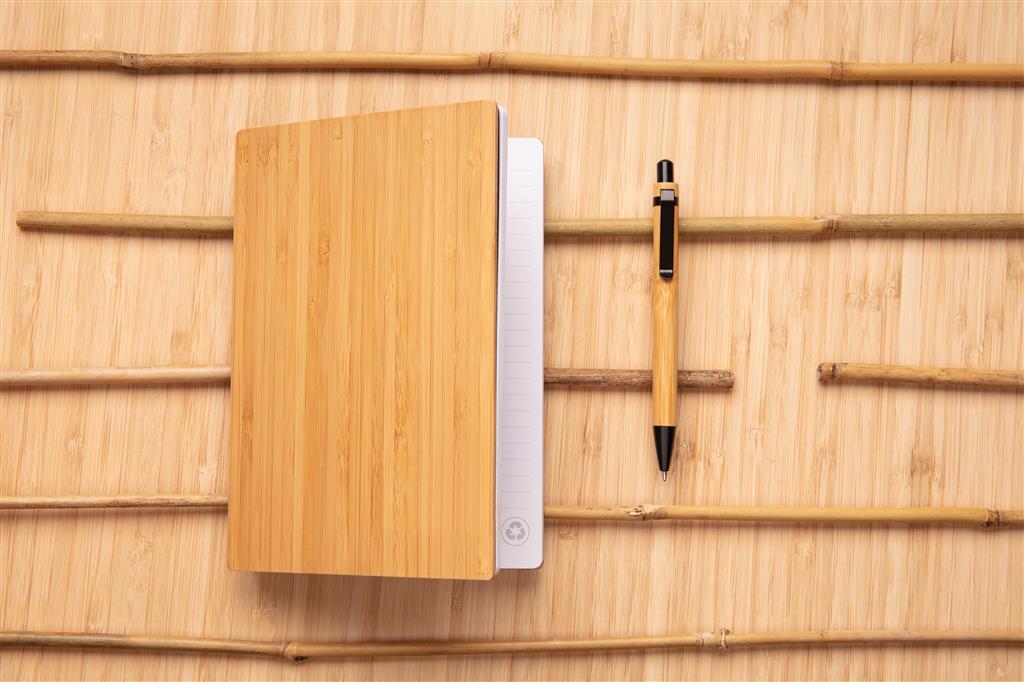
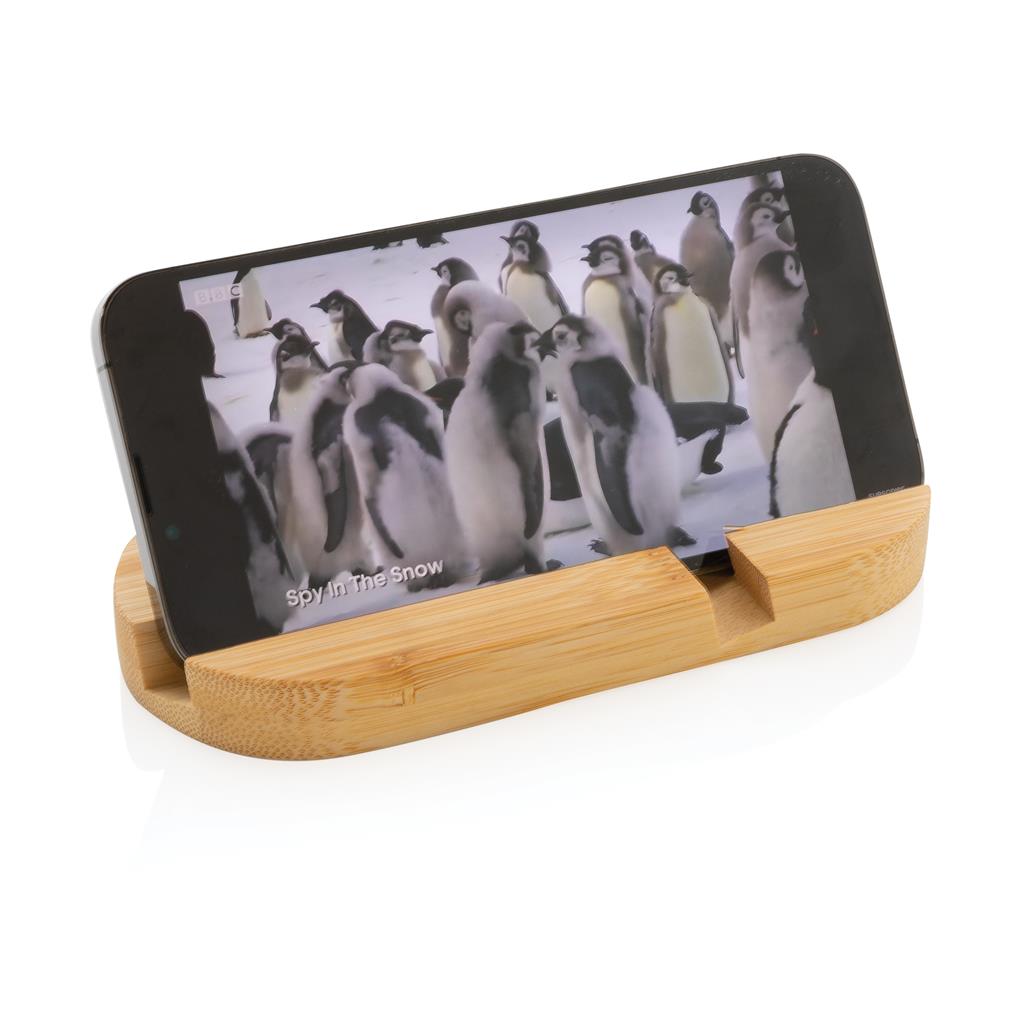
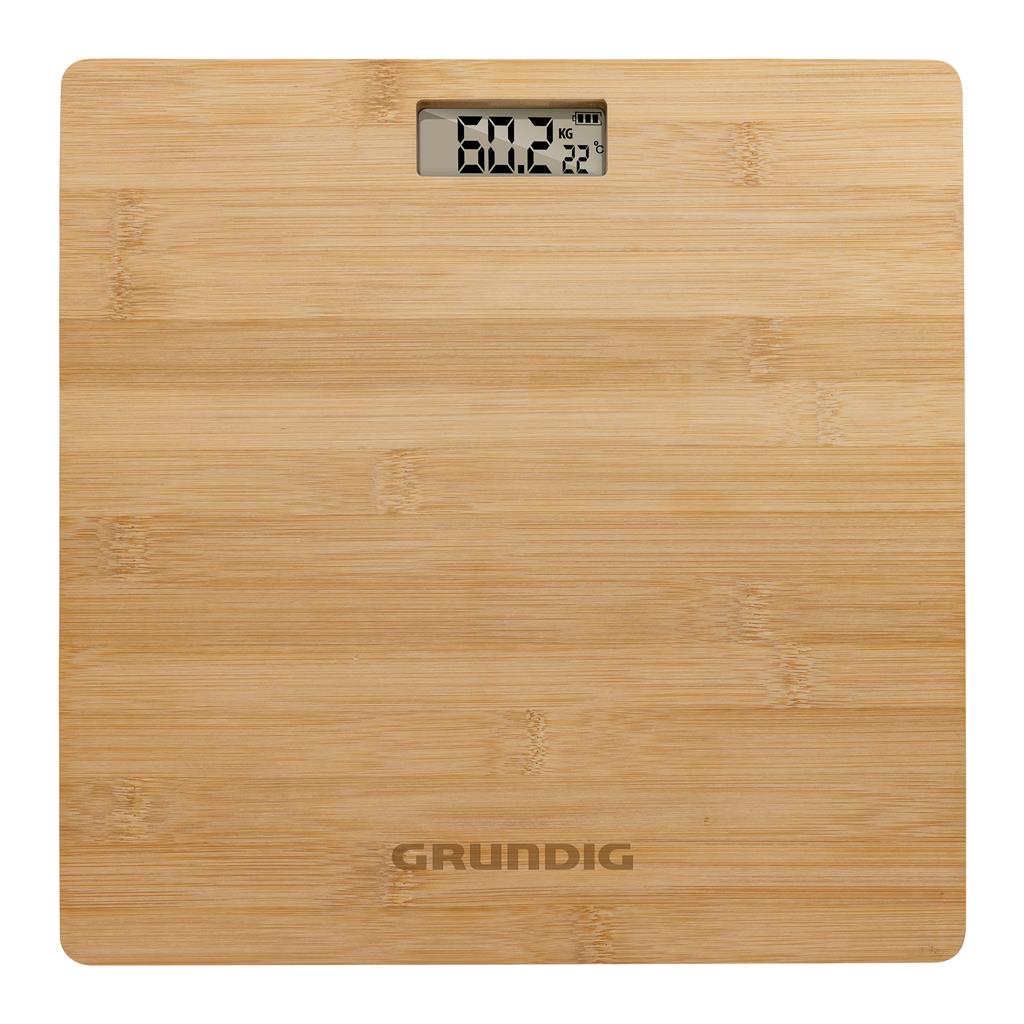
As a result, interest in materials such as bamboo has also increased significantly. From pens and notebooks to cutting boards and wireless chargers: companies are increasingly opting for products that contain bamboo.
But what actually makes bamboo so special?
What is bamboo?
Although many people think that bamboo is a tree, it is officially a grass species.
That has an important advantage.
Many bamboo species grow very quickly and can resprout from the same root after harvesting. This means that the plant does not have to be replanted every time.
It is precisely this rapid growth that makes bamboo attractive as a renewable raw material for a wide range of products.
Why is bamboo seen as sustainable?
There are several reasons why bamboo is popular in sustainable product development.
Rapid growth
Depending on the species, bamboo can be harvested within a few years, while many types of wood take decades.
Renewable raw material
After harvesting, the plant grows again from the same root system, so complete replanting is not necessary.
Natural appearance
Bamboo has a warm, natural appearance that suits organizations that want to make sustainability visible.
Versatile in use
Bamboo is used in, among other things:
- drinking bottles;
- pens;
- notebooks;
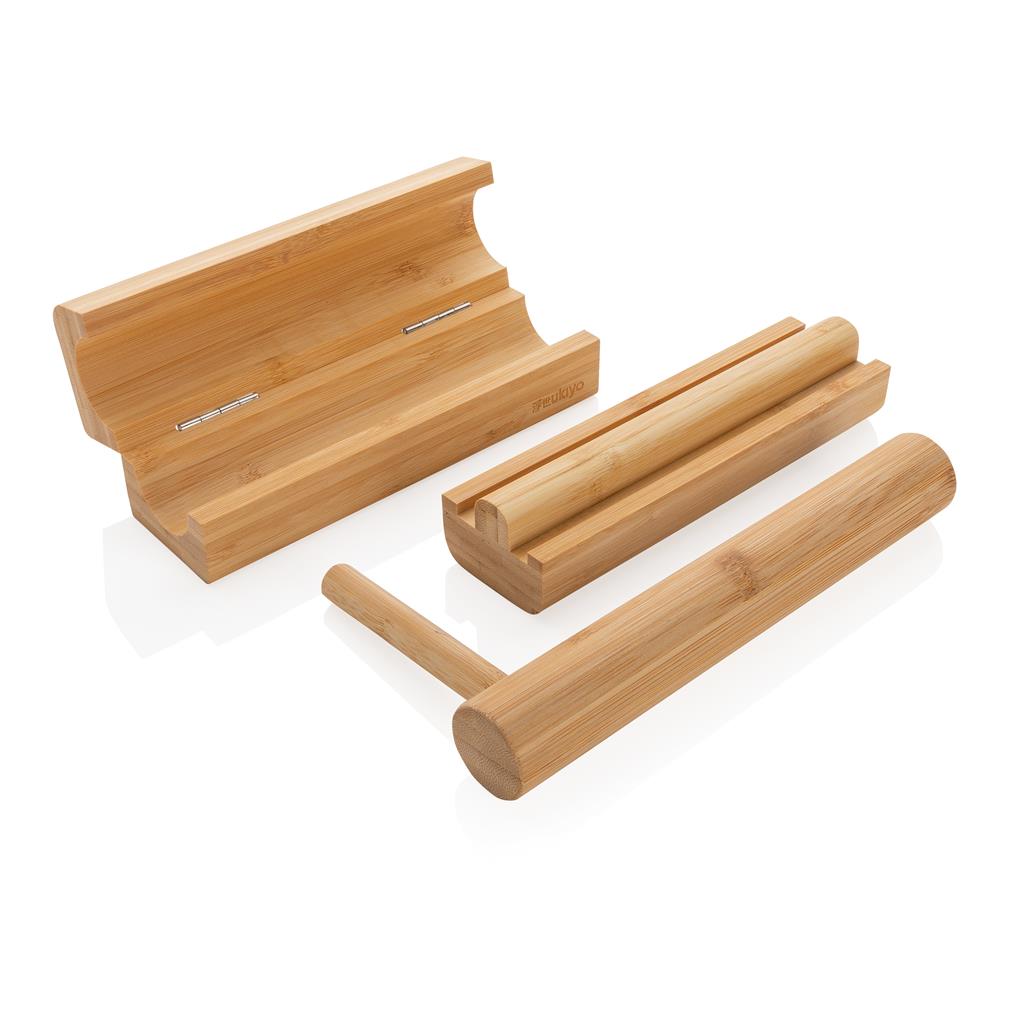
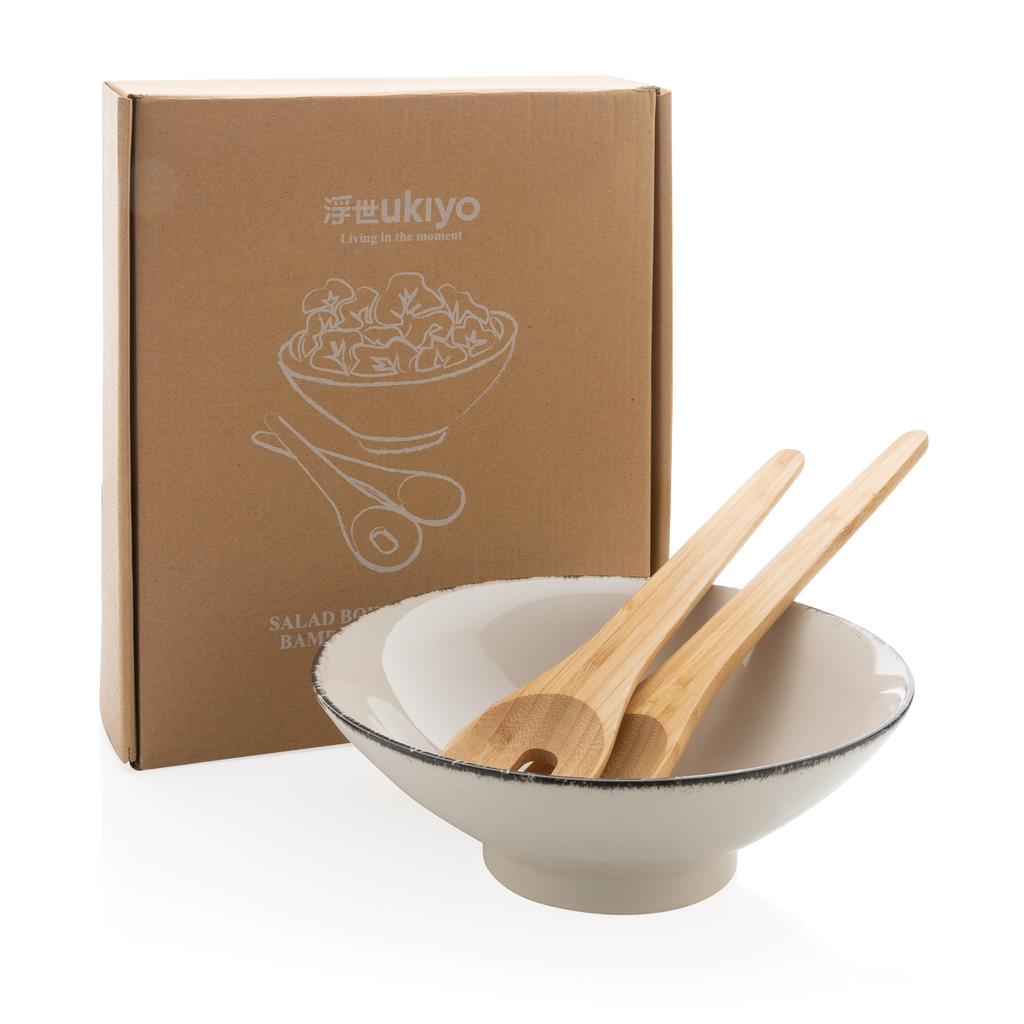
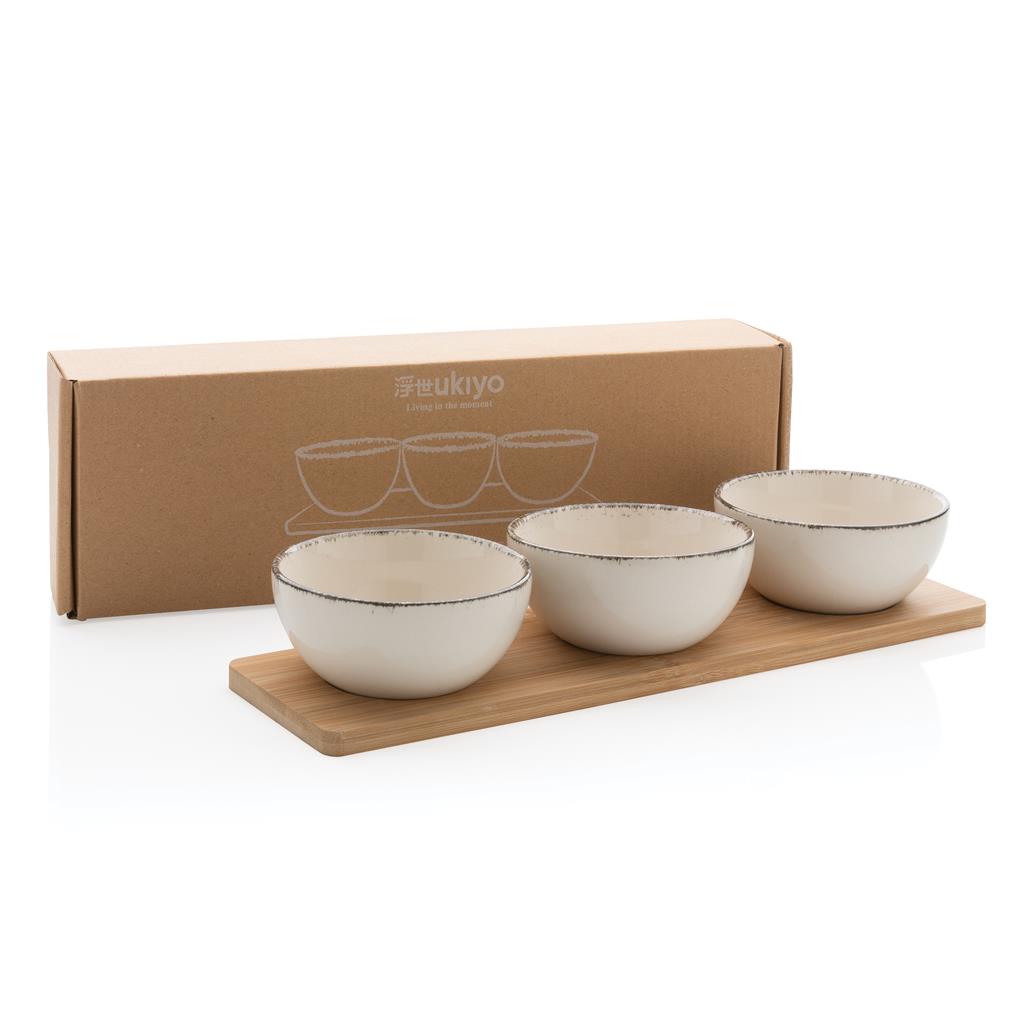
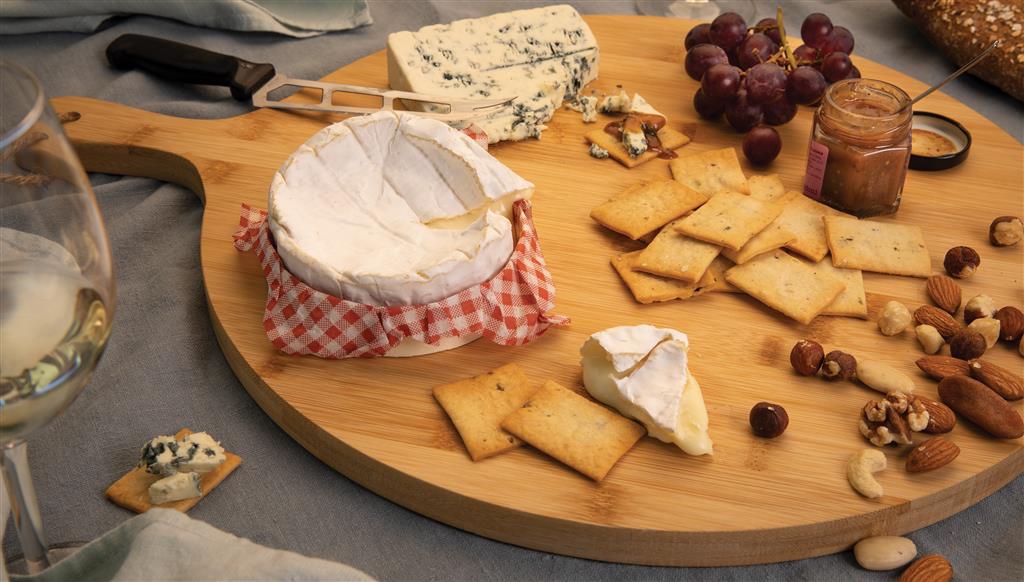
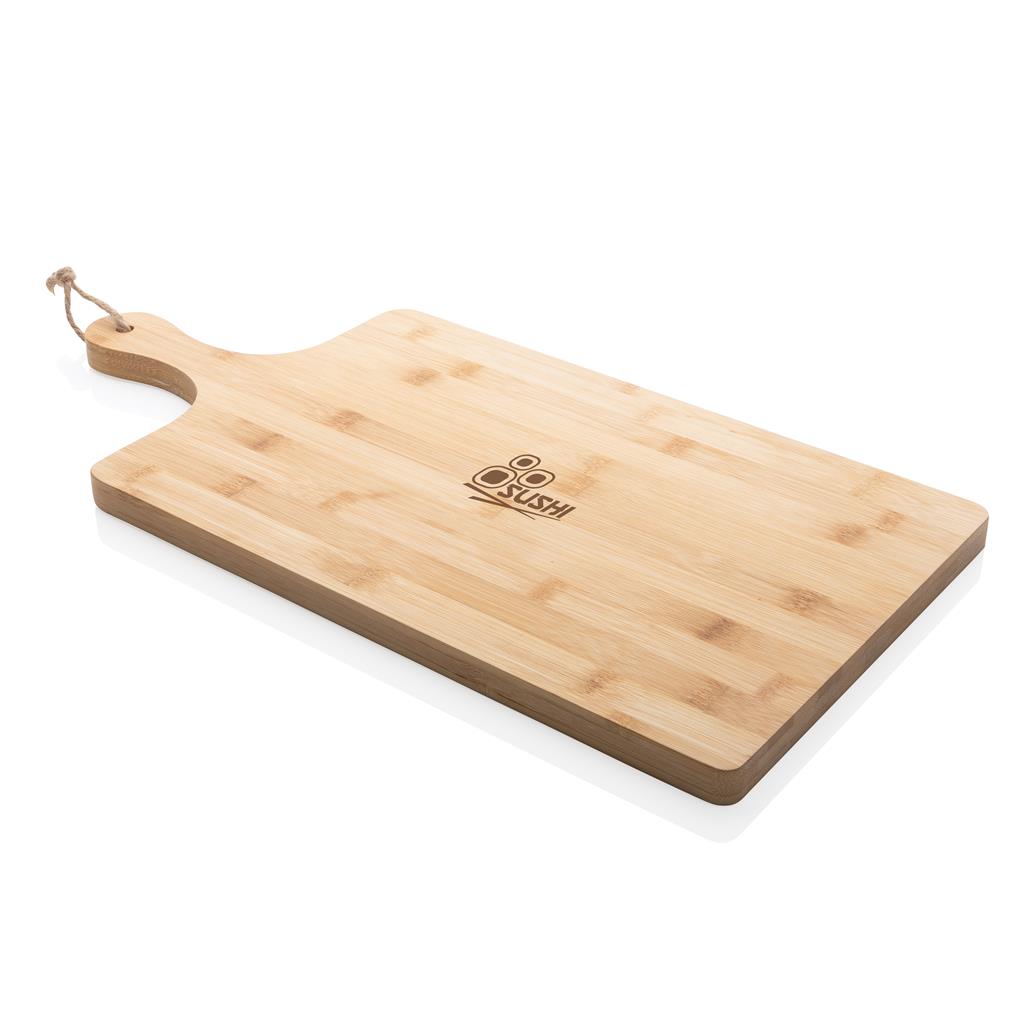
- kitchen items;
- chargers;
- speakers;
- office supplies.
Is bamboo always more sustainable than plastic?
Not automatically.
That is perhaps the most important thing to understand.
The durability of a product does not only depend on the material.
Factors such as production, transport, lifespan and use also play an important role.
A high-quality plastic product that lasts ten years can ultimately be more sustainable than a bamboo product that is thrown away after a short time.
That is why more and more organizations are looking at the total picture instead of just the raw material used.
Why do companies often choose bamboo?
Despite this nuance, bamboo has clear advantages.
The material exudes sustainability and fits well with the expectations of employees and customers.
In addition, it fits well within themes such as:
- corporate social responsibility;
- ESG policy;
- circular thinking;
- sustainable purchasing;
- consciously use raw materials.
A promotional gift made of bamboo also tells something about the organization that gives it.
Not every bamboo product is the same
Anyone who chooses bamboo would do well to look beyond just the material.
For example, note:
- the quality of the finish;
- whether the product lasts a long time;
- what other materials have been used;
- the packaging;
- any certifications.
It is precisely this combination that determines how sustainable a product ultimately is.
A material that suits long-term use
A good promotional gift is not chosen because it looks sustainable.
It is chosen because people have been using it for years.
Bamboo often scores well there.
Due to the natural appearance and sturdy finish, many bamboo products find a permanent place on the desk, in the kitchen or in a bag. This increases the chance that they will be used for a long time.
Bamboo as part of a broader sustainable choice
More and more organizations are combining different sustainable materials.
Consider:
- Stainless steel drinking bottles;
- recycled aluminum;
- recycled plastic;
- FSC certified paper;
- cork;
- RPET;
- bamboo.
A different material may be the best choice for each product. Ultimately, it is about a combination of functionality, lifespan and responsible use of materials.
A sustainable promotional gift with a natural look
The appearance of a promotional gift also plays a role.
Bamboo has a warm and natural appearance that fits well with modern offices and sustainable brands.
As a result, many organizations choose bamboo when they are looking for a promotional gift that is both practical and representative.
Bee Tiger Concept we regularly advise companies on sustainable materials and help them choose products that suit their objectives and target group. We not only look at the material, but also at quality, ease of use and lifespan.
Conclusion
Bamboo is not automatically the most sustainable choice, but it is a material with many strong properties.
Its rapid growth, renewability and natural appearance make it attractive for a variety of products. In combination with a long lifespan and intensive use, a bamboo promotional gift can make a valuable contribution to a more sustainable choice.
Ultimately, it is not only the material that is decisive, but especially how long a product is used.
Images

Frequently asked questions
A high-quality product usually lasts longer and needs to be replaced less quickly. This allows raw materials and waste to be saved.
No. Durability depends on several factors, such as lifespan, use, material and quality. A higher price alone is no guarantee.
Because high-quality products are used longer, leave a better impression and fit in well with sustainability objectives and responsible purchasing.