
Understanding Dyeing Methods – The importance of the right dyeing methodology
February 24, 2026
In a previous post we discussed yarn construction and its influence on logo definition and product quality.
The next crucial step in the cotton textile production process is dyeing.
Two technical dyeing methods are generally used for towels and other cotton items: Yarn Dyeing and Piece Dyeing. Both are matched to Pantone colors to ensure a consistent brand appearance.
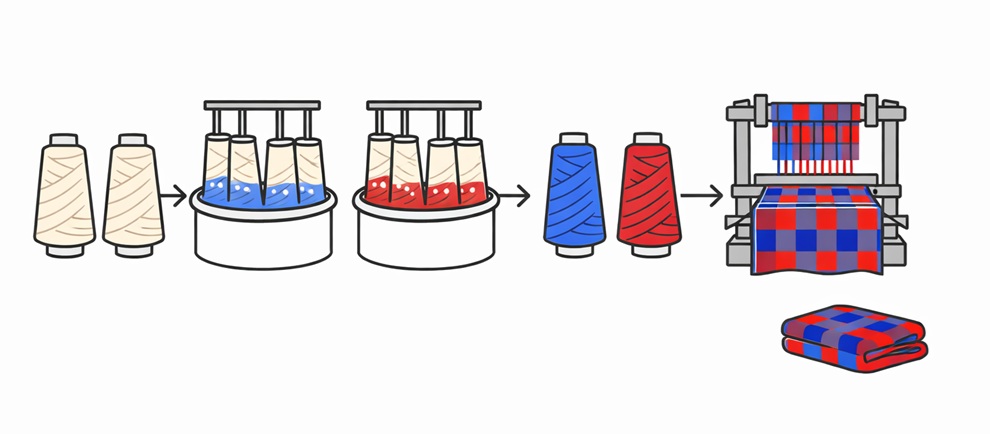
1️⃣ Yarn Dyeing
In this method, the yarn is dyed individually by color before weaving.
Process:
- Yarn is dyed by color
- Dyed cones are prepared before the weaving process
- Colors are combined in a structured manner during weaving
Benefits:
- Suitable for multi-colored patterns (such as jacquard)
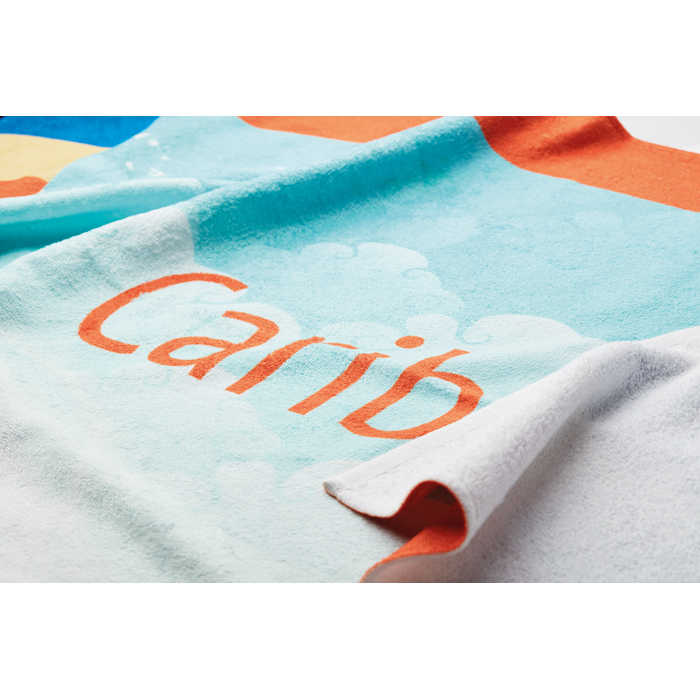
- Tight logo definition
- Maximum visual control and precision
- More sustainable color integration in the product
Yarn dyeing is the right choice when design, level of detail and brand identity are central.
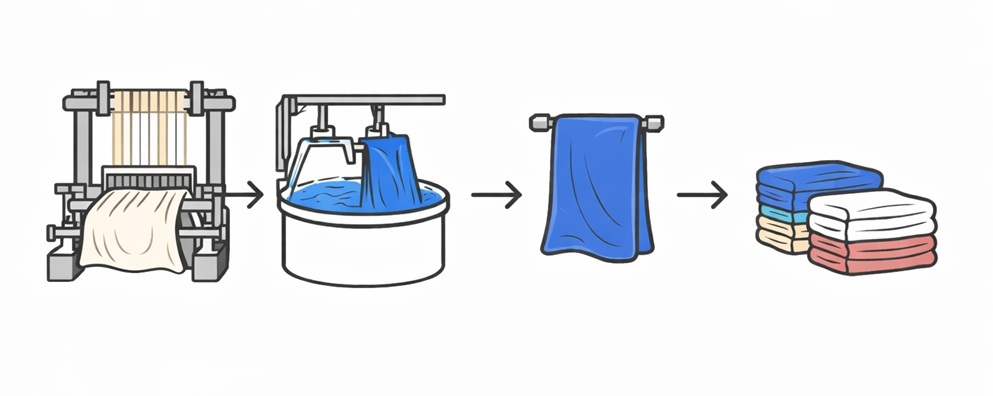
2️⃣ Piece Dyeing
With piece dyeing, we first weave with undyed cotton. Only then is the entire final product painted.
Process:
- Weaving in raw (undyed) cotton
- The entire product is subsequently dyed in color
Benefits:
- Ideal for solid colours
- More flexible in production planning
- Efficient at larger volumes
- Often more cost-effective
This method is often used when speed, scalability and uniform color are important.
Why is this relevant?
The chosen painting method has a direct impact on:
- Logo quality
- Color intensity
- Production costs
- Minimum quantities
- Delivery time
At Tiger Concept we advise each project which technology best suits the desired appearance, budget and volume.
All items are 100% produced in Portugal, with full control over the production process and according to the highest quality and sustainability standards.
Certifications:
OEKO-TEX® | GOTS | GRS | ISO 9001 | Sedex SMETA 4 Pillar
Would you like to assess materials, weights and finishes in advance? We can then provide a sample set to make the right choice before production.
Images